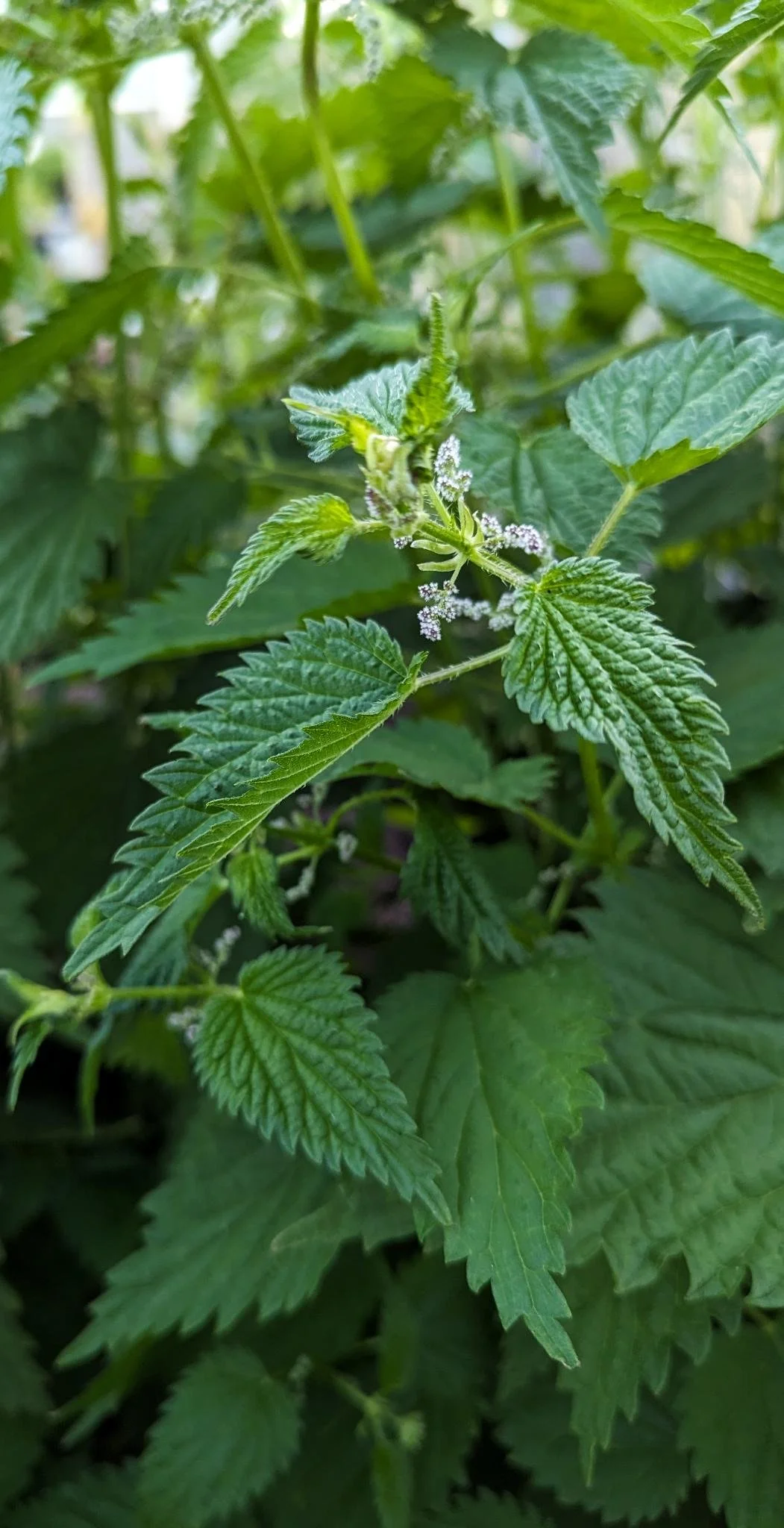
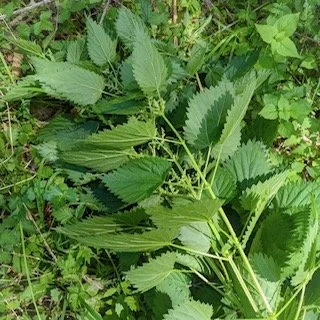
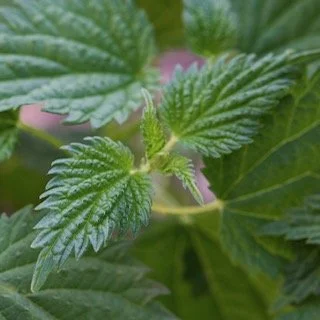
Stinging Nettle - Urtica dioica
Family: Urticaceae
Energetics: Drying, tonifying, cooling except when used topically for urtication.
Actions: Diuretic, nutritive, stimulating (seeds), astringing, blood building
❖ This herb grows in zones 3-10, often in disturbed soil and in a sunny spot near a source of water or soils with lots of nutrient content. It begins to grow in early Spring and is best harvested before it starts to go to seed later in the season due to the oxalate content spiking and all of its resources being funnelled into reproduction. I have also seen them grow a bit in the Fall. Consider wearing gloves for the harvest and give the plants a “haircut” taking the youngest, most tender leaves.
❖ When taken internally, nettle leaves stabilize mast cells thus reducing the activities of histamine in the body, which provides an anti-allerginic effect in those who struggle with various allergies. Freeze dried capsules are best suited for this purpose, though they need to be taken regularly over the course of the day for the best effect. Tea is also effective!
❖ Nettle root is often used by folks with prostates to reduce symptoms of BPH (benign prostatic hyperplasia). The exact mechanism for this effect is unknown, but folks report that the root reduces urgency, incontinence and frequency of urination when taken internally over time. Nettle root is not just for people with prostates, but in fact is helpful for anyone with conditions of laxity in the pelvis that could use a bit of tightening. Nettle root is often sold in capsules.
❖ With its affinity for the kidneys, this diuretic herb works to move the fluids of the body and stimulate urination. The cool thing about nettles is that this herb repletes the minerals commonly lost through the excretion process, unlike diuretic medications. You don’t have to worry about your potassium or sodium levels when drinking nettles!
❖ The seeds of this plant are known to have adaptogenic qualities when taken internally. Adaptogens serve to support our bodies stress response and often can give us a bit of an extra “zing!” when we are feeling burnt out. But don’t forget to eat well, sleep enough and move, too!
❖ Nettles are incredibly nutrient dense and studies have shown that it contains protein, fiber, carbohydrates, fats and tons of phenolic compounds leading to a fantastic antioxidant effect. Stinging nettles also contain vitamin C, iron, calcium, vitamin A, vitamin K and fatty acids. Mineral and nutrient profiles vary from plant to plant and between regions, naturally. With its rich mineral profile, one could call this a fantastic local superfood! It makes for a great remedy to states of malnourishment when made into a long infusion, broth or infused vinegar.
❖ Urtication is a long standing practice of using fresh nettles to sting the skin in order to bring fluid movement to an area and clear cellular waste that builds up in the joints. This is often performed by those with rheumatoid and osteoarthritic joint pains.
Precautions: This herb is very drying. If you are an individual who runs dry, you may consider formulating this herb with more moistening friends like linden, marshmallow root or leaf, violet. This herb may intensify the effect of diuretic medications when taken concurrently, possibly increasing side effects. I would recommend avoiding consuming this herb regularly when taking lithium as it can alter the serum levels of lithium in the blood. Do not have nettles 2 hours before or after taking thyroid medication as the minerals will interfere with absorption. Nettles may reduce warfarin’s effectiveness as they are high in vitamin K.
Image provided by Timber Rose.